For schools
A geography material that answers back
Built for prepared environments, primary classrooms and museum education rooms: a shelf object that a child can work with alone, that is correct enough to teach from, and that survives being used every day.
Why relief, specifically
A flat puzzle map teaches outlines. That is worth teaching — but the questions children ask about maps are mostly about the third dimension. Why is nobody living there? Why does the border bend here? Why does the river go that way? A relief plate holds the evidence for all three, and holds it in a form a hand can read before a child can read a legend.
It also makes the material genuinely self-correcting, which is the property that lets a child work without an adult. Pieces seat one way only. Ridges continue across a seam. A river that leaves one piece has to arrive on the next. When a piece is in the wrong place the plate says so, immediately and without anyone’s opinion being involved.
How it gets used
- Three to six. Naming and matching. The World plate, then a continent. The work is the shape and the word for it.
- Six to nine. Political maps, and the first comparisons — mountains against borders, coastline against settlement. This is where the relief starts doing work that a flat map cannot.
- Nine and up. Watersheds. Where the water goes is a genuinely difficult idea that most curricula introduce as a diagram; here it is a physical object, and one plate zooms into the next across five levels of scale.
- Any age, local plate. A puzzle of the ground the school is standing on turns a subject into a place. This is the request that comes up most, and the one we are best set up to answer.
Practical things
- Every plate is B5 — 250 × 176 mm, the size of an exercise book — so a set stacks on a normal shelf and works on a normal desk.
- Printed in PLA in Switzerland, in a single piece with the pieces already inside it, so there is nothing to assemble on arrival and nothing to lose in a box.
- Pieces are cut to a minimum size that a child can pick up. Nothing in the collection is cut smaller than that, even where the source data has a smaller unit.
- Replacements for lost pieces can be reprinted from the same file that made the original. A missing canton does not retire the set.
- A set comes with a slide-in rack, laser-cut from plywood and built here to hold exactly the number of plates ordered — no empty slots. Plates go in short-side first and rest on their own rails, so a child can take one out and put it back without disturbing the others. One rack holds up to eighteen; a larger set arrives as more than one.
Sets, quotes and purchase orders
Every plate is the same price whatever its piece count, so a set costs what the number of plates says it does — the figure is on each puzzle page, and the list page totals it for you. The rack and the shipping are quoted alongside.
Beyond that, schools buy against quotes rather than shopping carts, so that is how this works. Tell us the ages you teach, roughly how many plates you want and whether you need a local map, and you get back a written quote with lead times. Purchase orders and school invoicing are fine. Institutional enquiries also cover museums, libraries, therapy practices and after-school programmes.
A sensible first shelf
If you are starting from nothing, these four cover the widest range of ages and ideas between them.
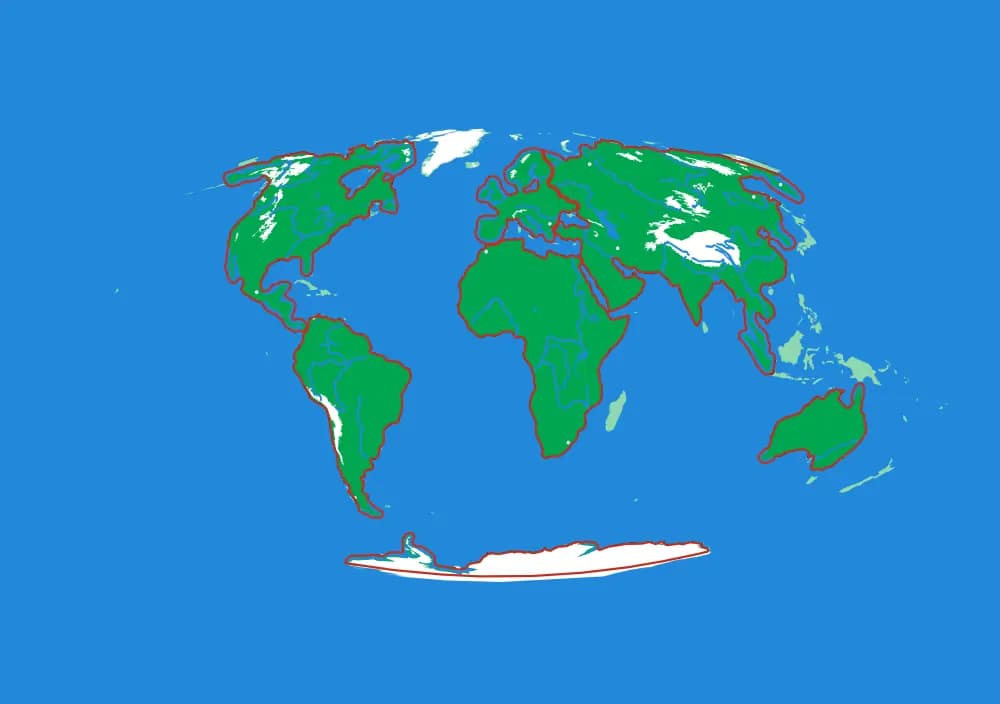
The World
Seven continents in one ocean
The whole planet on a B5 plate. Seven pieces lift out of a single sheet of ocean.
- Pieces
- 7 pieces
- Scale
- 1 mm ≈ 157 km
- Suitable for
- Ages 3 and up
- Price
- CHF 120.00
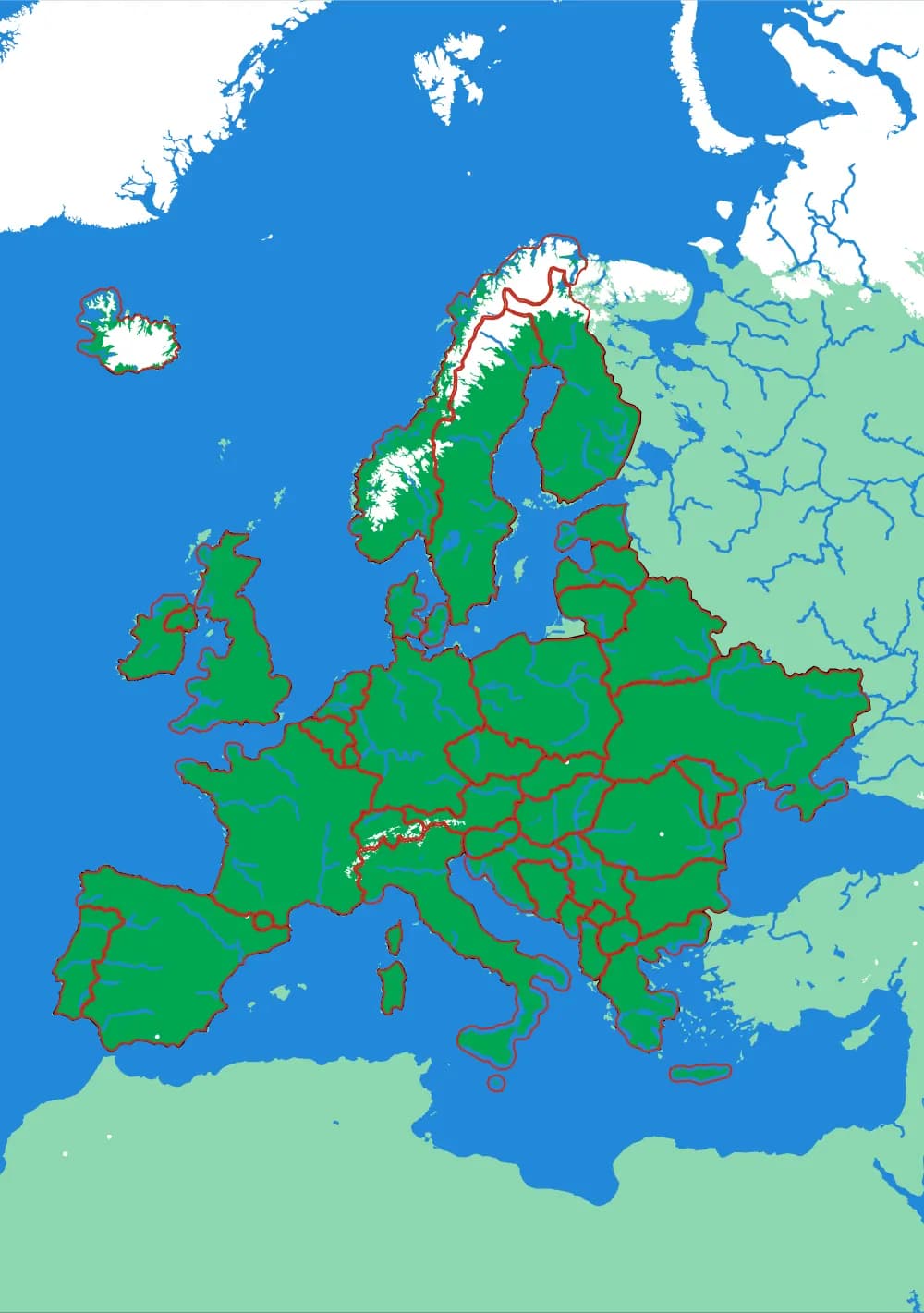
Europe
Forty-five countries at real elevation
The political map, printed on the terrain it was drawn over. Forty-five pieces, from Andorra to Russia's western edge.
- Pieces
- 45 pieces
- Scale
- 1 mm ≈ 24.7 km
- Suitable for
- Ages 6 and up
- Price
- CHF 120.00
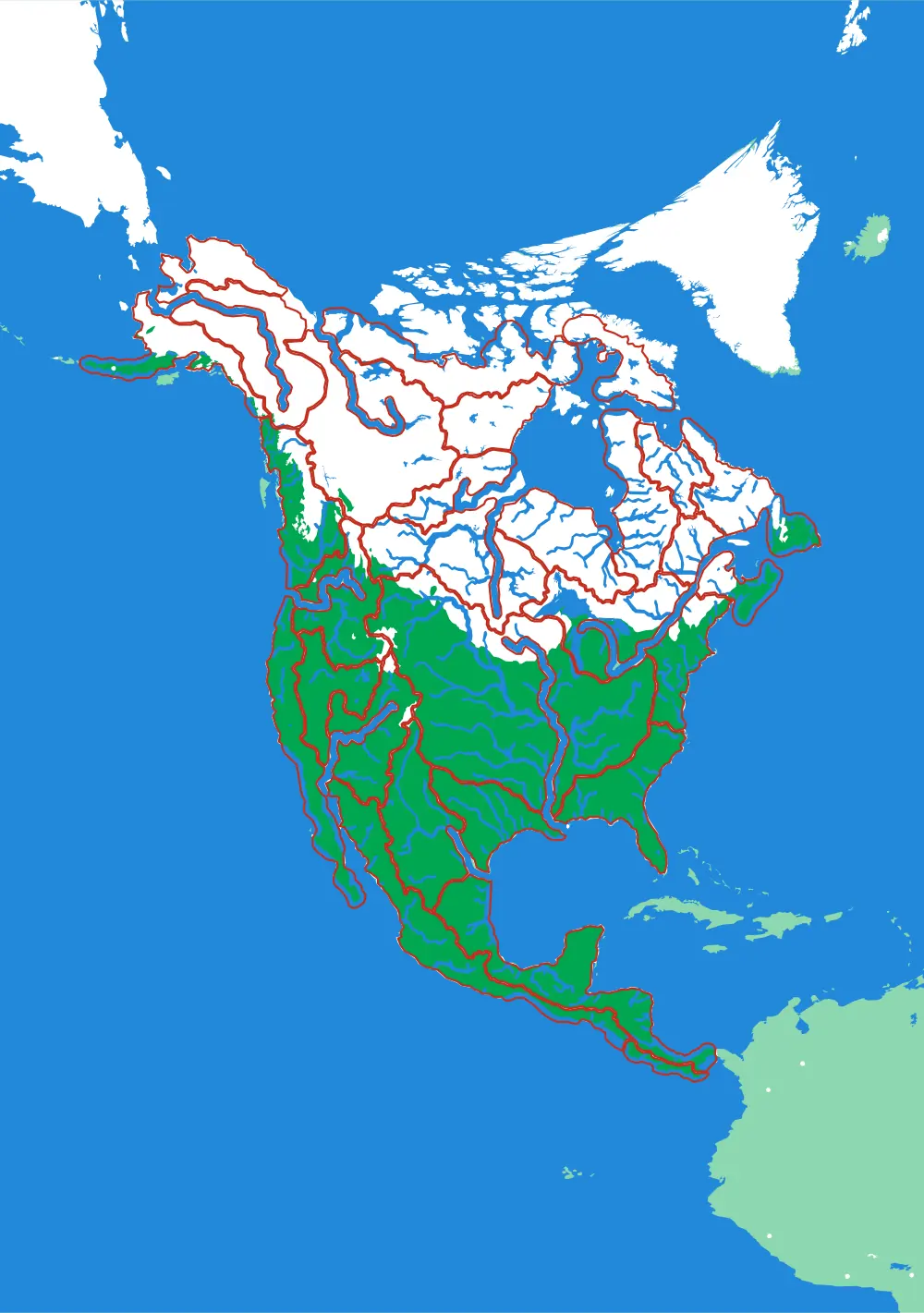
North America by River
A continent divided only by where water goes
No countries, no states. Twenty-nine pieces, each one the whole territory that drains into a single river.
- Pieces
- 29 pieces
- Scale
- 1 mm ≈ 49.4 km
- Suitable for
- Ages 8 and up
- Price
- CHF 120.00
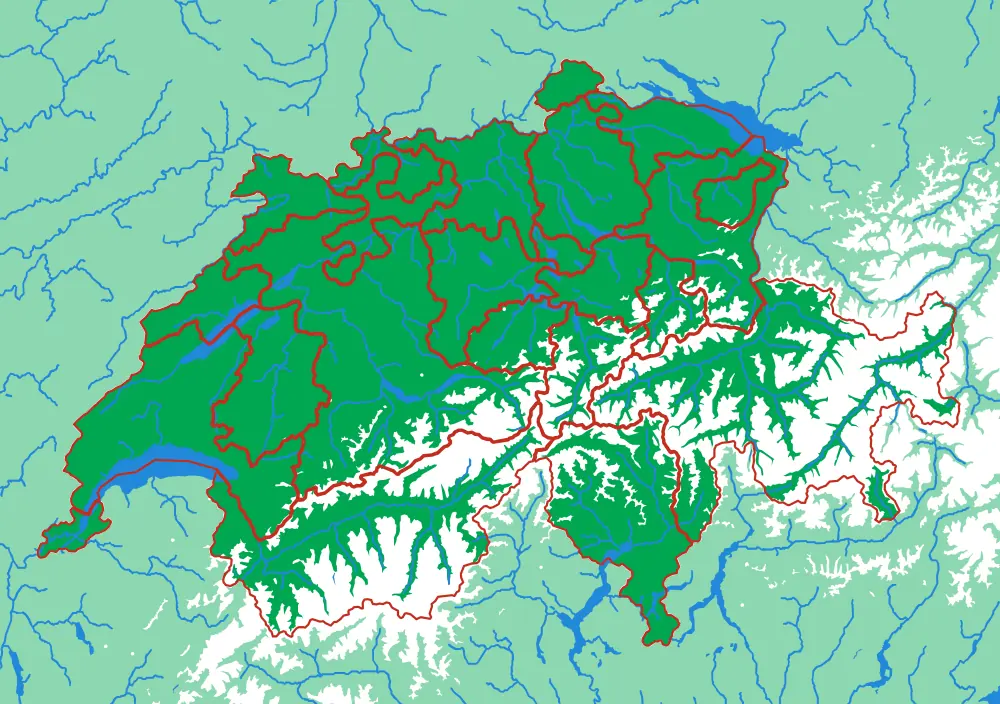
Switzerland
Twenty-three cantons over the Alps
The cantons, printed at 1 mm to 1.5 km, with the Alps in white and every major lake in blue.
- Pieces
- 23 pieces
- Scale
- 1 mm ≈ 1.5 km
- Suitable for
- Ages 6 and up
- Price
- CHF 120.00
Tell us what you teach
Including the map of your own valley, town or catchment if you want one — that is a normal request here, not an exotic one.